
LLM Settings
Large language models offer a suite of adjustable settings that enable users to precisely customize their output and behavior. These parameters, including temperature, top p, frequency and presence penalties, maximum sequence length, stop sequences, and context length, are fundamental to controlling aspects such as the randomness, diversity, and structure of generated text. By understanding and manipulating these key settings, users can effectively fine-tune model performance to meet specific application requirements.
Learning Objectives
At the end of this lesson, you should be able to:
- Explain how adjusting key settings customizes large language model output.
- Describe the function of temperature and top_p in controlling the randomness and diversity of text generation.
- Differentiate between frequency and presence penalties and their role in preventing token repetition.
- Explain how maximum sequence length and stop sequences control the length and structure of generated text.
- Define context length and explain its impact on a language model’s capabilities.
Temperature
To fine-tune the model’s performance, you can adjust the level of randomness in its response by controlling temperature. Lower temperatures yield more deterministic results, while higher temperatures encourage more diverse and creative outputs. A general guideline is to use a lower temperature for tasks that require factual and concise responses, such as fact-based question-answering (QA), and increase the temperature for creative tasks like poem generation.
Top P
Top P (or top_p) plays a key role in a technique known as nucleus sampling. This method aims to strike a balance between randomness and predictability in text generation. By adjusting top_p, you can influence the level of confidence in your model’s responses. A lower top_p value tends to produce more confident outputs, while a higher value yields more diverse results.
It’s generally recommended that you alter top_p on its own rather than making changes to both it and temperature simultaneously. This allows for more targeted fine-tuning of your model’s behavior.
Frequency Penalty
The frequency penalty applied by LLMs serves as a mechanism to discourage repetition of tokens in the model’s response. This penalty is directly proportional to how many times each token has already appeared in both the prompt and response, making it more likely for words with higher frequency penalties to be avoided. By incorporating this feature, the model reduces repetition of words in its output, resulting in a more varied and natural-sounding response.
Presence Penalty
The model applies a penalty on repeated tokens, but assigns the same penalty value regardless of frequency. This means that a token appearing twice is penalized equally to one appearing 10 times, which helps prevent repetition in responses. A general recommendation is to adjust either the frequency or presence penalty, but not both, as this approach can help strike a balance between preventing over-repetition and encouraging varied language use.
Max Length
Specifying a maximum token count allows you to control the number of tokens the model generates, which is essential for preventing long or irrelevant responses and helping manage costs effectively. By setting this limit, you can ensure that the model stays focused on providing accurate and relevant information, rather than generating unnecessary text that may not be useful for your purposes.
Stop Sequences
To control the model’s response, you can use a string that instructs it to stop generating tokens at a certain point. This allows for precise control over the length and structure of the generated text. For instance, if you want the model to generate lists with no more than 10 items, you can include this specific instruction in the input string. By doing so, you can effectively tailor the output to meet your requirements.
Contex Length
Language models have a fundamental limitation - the number of tokens (~130 tokens are equivalent to 100 words) they can process, often referred to as their context length. This limit affects not only the complexity of inputs but also memory and coherence. Consequently, using smaller context lengths can significantly impair tasks such as text summarization, making them less effective or even unusable in certain situations.
| Model | Max. Input Sequence Length | Equivalent Pages (500 words/page) |
|---|---|---|
| GPT-3.5 | 4,096 | 6 |
| GPT-4 (8k) | 8,192 | 12 |
| GPT-4 (32k) | 32,768 | 49 |
| Llama-2 | 4,096 | 6 |
| Llama-3 (8k) | 8,192 | 12 |
| Gemma2 (8K) | 8,192 | 12 |
| Llama-3.1(128k) | 131,072 | 192 |
Final Thoughts
Effectively leveraging the various parameters available for large language models, including temperature, top_p, frequency and presence penalties, maximum sequence length, and stop sequences, empowers users to precisely tailor model behavior. By understanding and adjusting these settings, one can fine-tune the model’s output to achieve desired levels of creativity, coherence, diversity, and adherence to specific structural or length requirements, ultimately optimizing its performance for a wide array of applications. Furthermore, recognizing the impact of context length is crucial for managing the model’s capacity to process complex inputs and maintain coherence across longer generations.
Related Posts
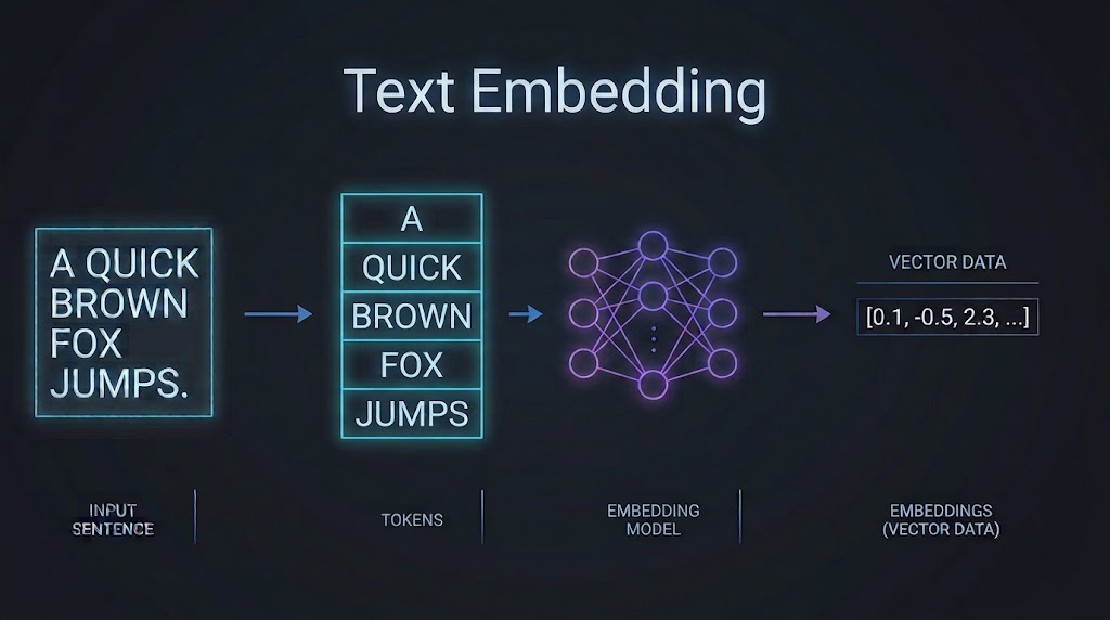
Tokenization and Text Embedding
Ever wondered how modern AI systems understand human language? At their core, Large Language Models (LLMs) never actually see or read words as humans do.
Read more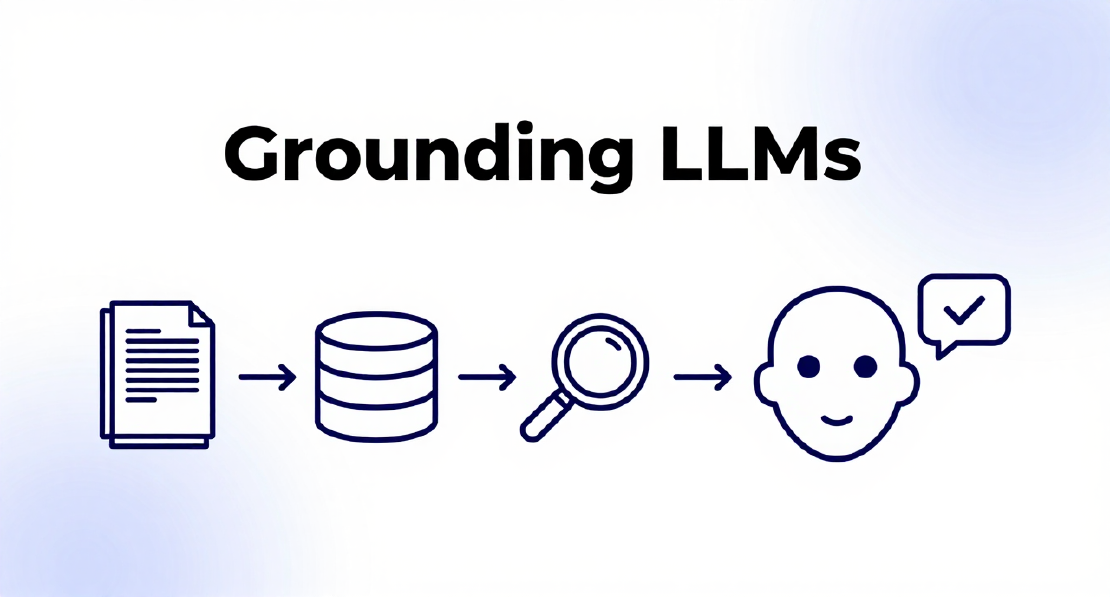
Beyond Guesswork: Grounding LLMs in Facts
All large language models (LLMs) have two fundamental limitations: LLMs lack knowledge of events that occurred after their training date, a phenomenon known as the knowledge cutoff, and they tend to generate incorrect or fabricated information, often referred to as hallucination.
Read more