Showing Posts From the LLM
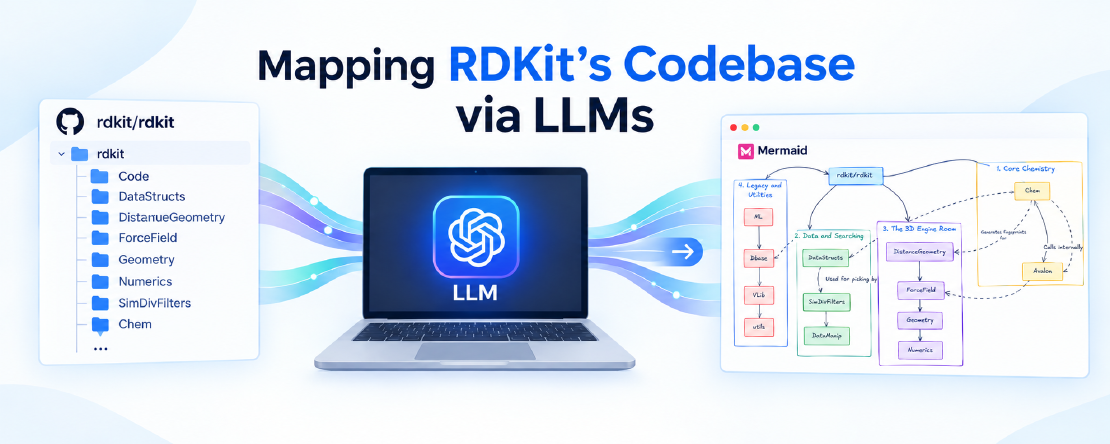
Mapping RDKit’s Codebase via LLMs
Historically, understanding the intricate internals of large codebases demanded exhaustive manual effort, whether deciphering legacy code through physical manuals or sifting through raw source code from an open-source repository.
Read more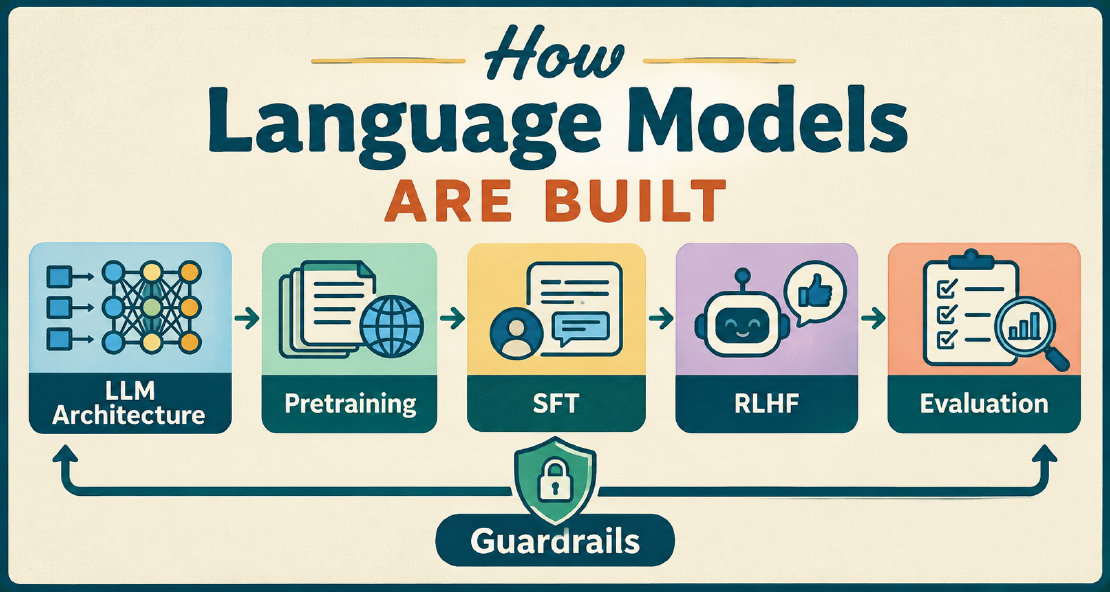
How Language Models Are Built
At this point, almost everyone is familiar with AI tools like ChatGPT, Google Gemini, and Anthropic’s Claude. These web-based tools seem capable of answering any question, writing code, and generating images or short videos.
Read more
Why Run Language Models Locally?
Advances in large language models made it easier for us to write and edit text, helping us create better content with less effort.
Read more
LLM Settings
Large language models offer a suite of adjustable settings that enable users to precisely customize their output and behavior. These parameters, including temperature, top p, frequency and presence penalties, maximum sequence length, stop sequences, and context length, are fundamental to controlling aspects such as the randomness, diversity, and structure of generated text.
Read more
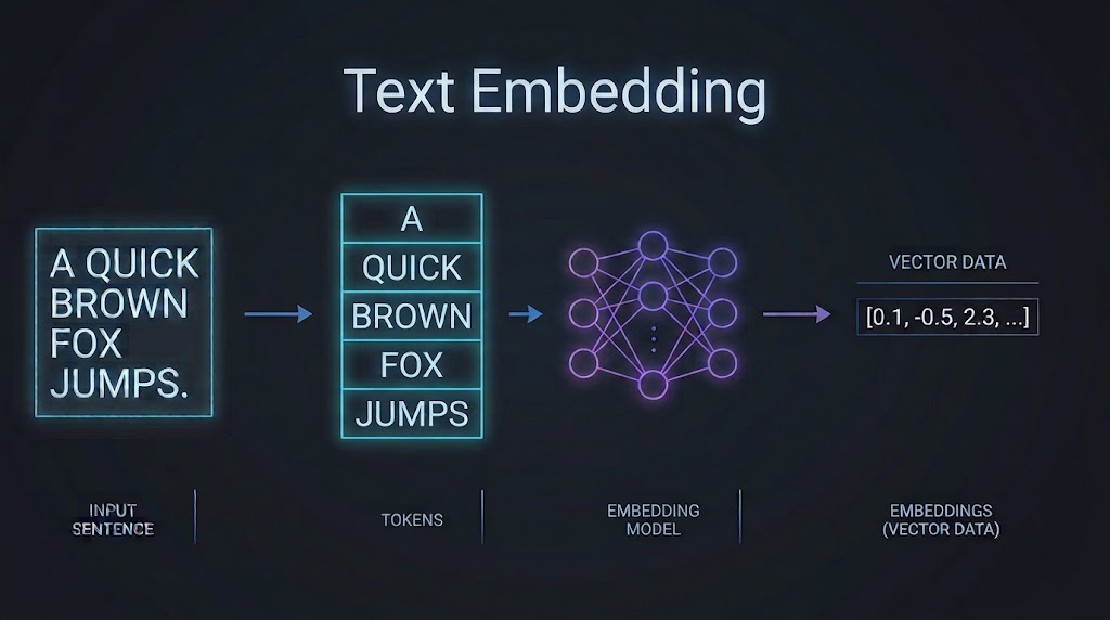
Tokenization and Text Embedding
Ever wondered how modern AI systems understand human language? At their core, Large Language Models (LLMs) never actually see or read words as humans do.
Read more