Industry-Ready
Life Sciences Software Skills
LifeSciDevs helps life scientists and software engineers build practical, real-world solutions at the intersection of life sciences and software. Many promising ideas stall due to technical barriers and unclear implementation pathways. Through project-based, hands-on programs, LifeSciDevs offers a structured and guided approach to developing computational, data-driven, and AI-enabled workflows. This approach enables learners to move beyond theory and build with clarity and confidence.
About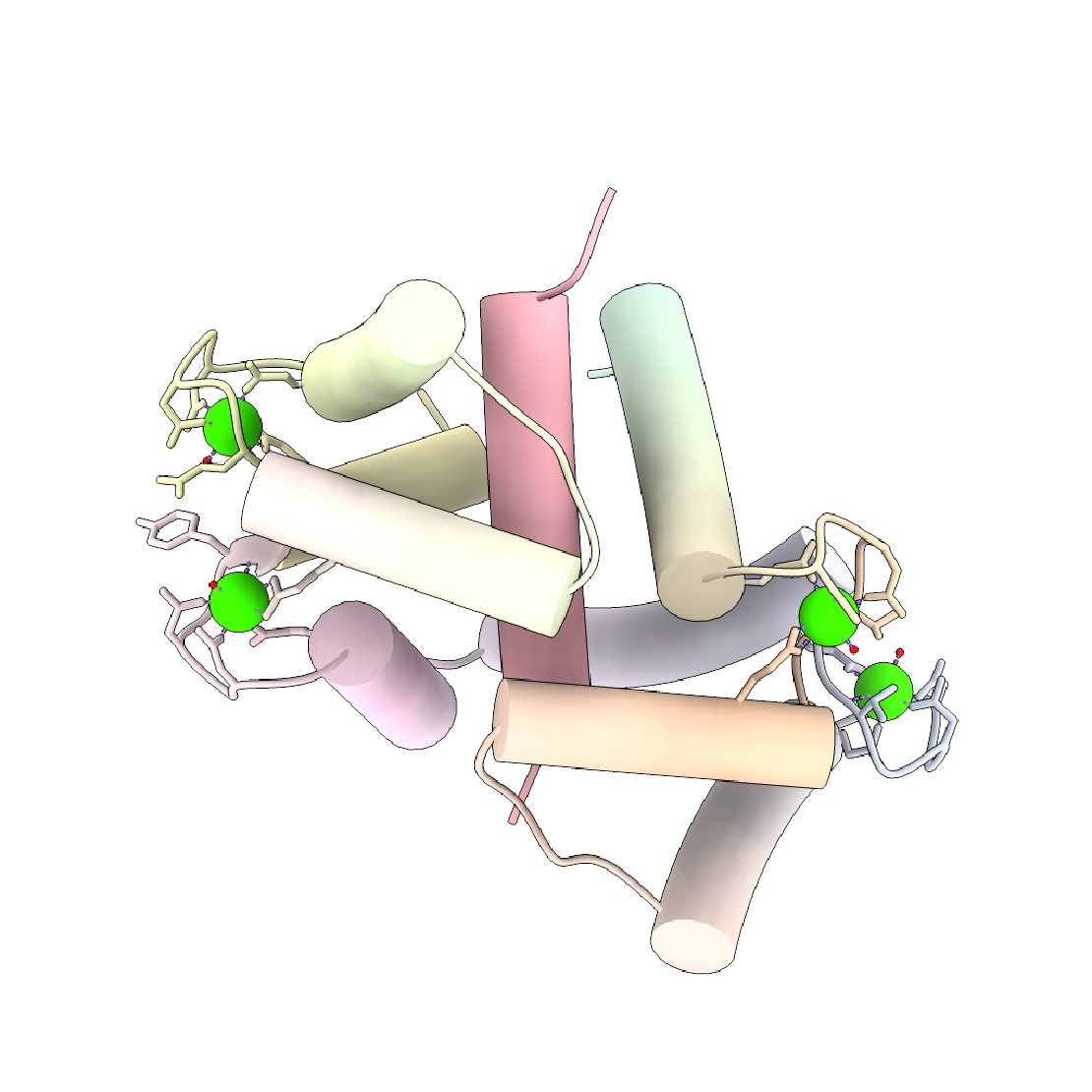
Recent Posts
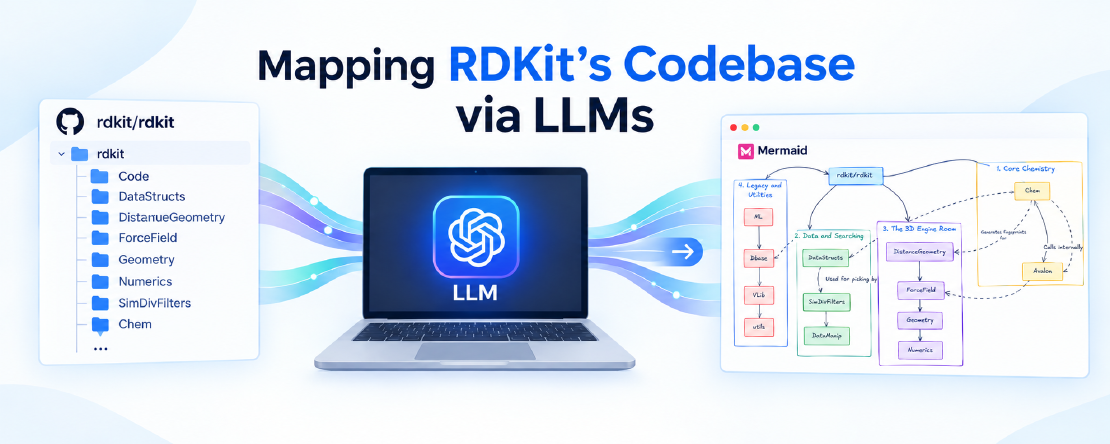
Mapping RDKit’s Codebase via LLMs
Historically, understanding the intricate internals of large codebases demanded exhaustive manual effort, whether deciphering legacy code through physical manuals or sifting through raw source code from an open-source repository.
Read more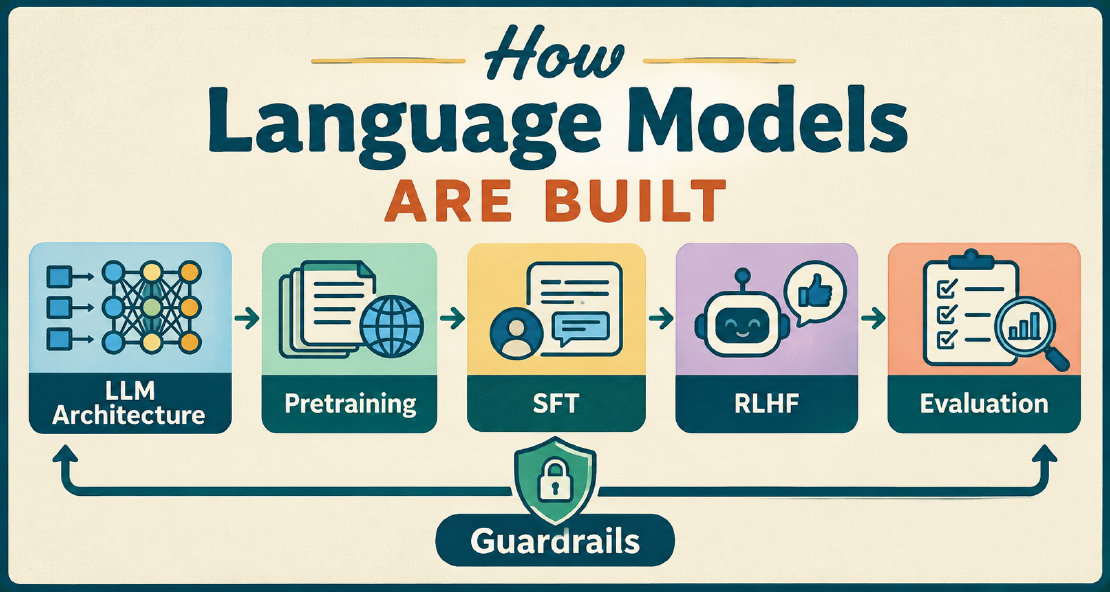
How Language Models Are Built
At this point, almost everyone is familiar with AI tools like ChatGPT, Google Gemini, and Anthropic’s Claude. These web-based tools seem capable of answering any question, writing code, and generating images or short videos.
Read more
An Introduction to Molecular Graphics
Molecular graphics focuses on understanding molecules and their properties through visual representations such as images, diagrams, and interactive models. It involves creating images and visual models to explore and explain how molecules are structured and what makes them unique, helping scientists and researchers better comprehend the world of chemistry and biology.
Read more
Why Run Language Models Locally?
Advances in large language models made it easier for us to write and edit text, helping us create better content with less effort.
Read more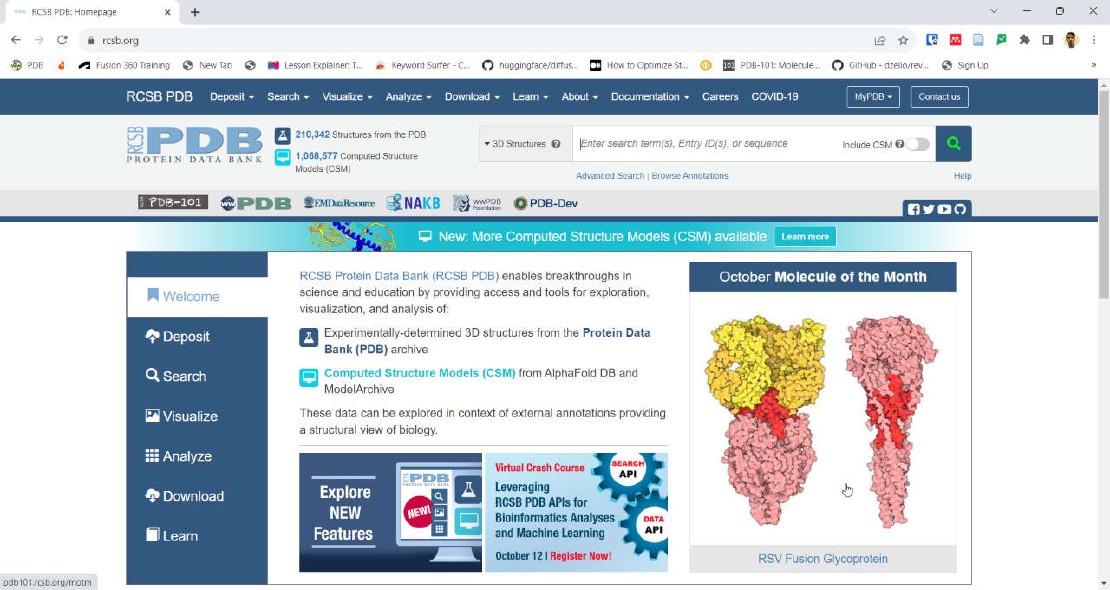
Navigating PDB: Legacy Format to PDBx/mmCIF
Discover the fascinating journey of protein data storage since 1971. From the legacy PDB format, designed for punched cards, to the modern PDBx/mmCIF format, built to accommodate complex macromolecular data.
Read more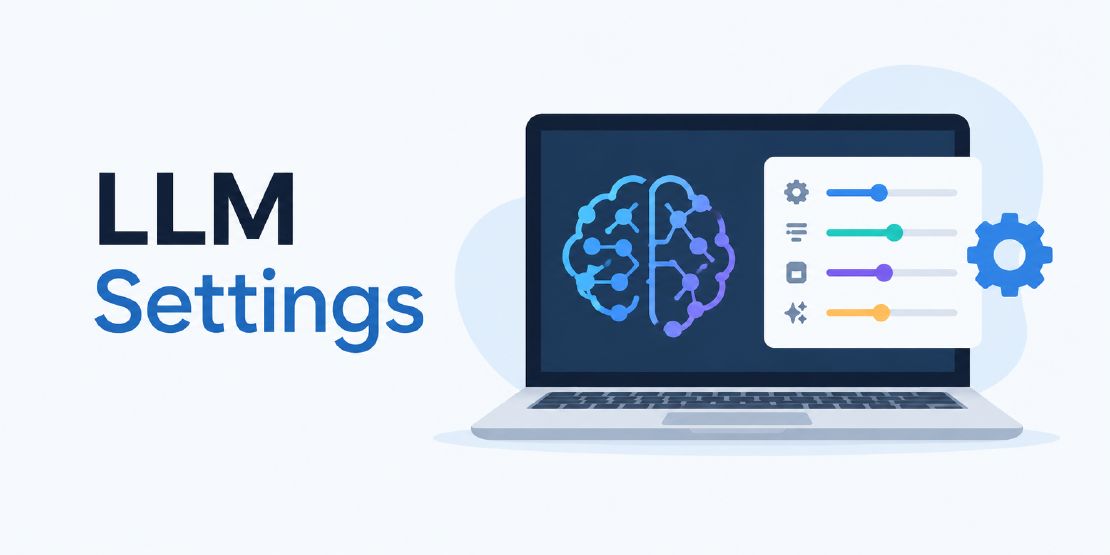
LLM Settings
Large language models offer a suite of adjustable settings that enable users to precisely customize their output and behavior. These parameters, including temperature, top p, frequency and presence penalties, maximum sequence length, stop sequences, and context length, are fundamental to controlling aspects such as the randomness, diversity, and structure of generated text.
Read more